Research • Service Design • System Thinking
City Filming Lab
Connecting Youth and the City Through Short Films
Details
TYPE
Master’s Studio Project
TEAM
5 PSSD students
DURATION
3 months (Mar - Jun 2025)
Milan’s youth public spaces often lacked meaningful cultural engagement, while the Vertigo Film Festival wanted to make short films part of people’s lives. This project explored how short films could become a medium of urban communication, activating overlooked youth spaces.
I contributed by conducting urban research and shaping system-service concepts that connected youth, cultural associations, and public institutions.
Challenge
How might we empower Milan's youth to build emotional capital and ownership within the city through cultural expression, thereby activating overlooked urban areas and fostering long-term social inclusion?
Solution
We designed City Filming Lab, a service-system that leverages youth-driven short film production to uncover Milan's overlooked neighborhoods. This solution creates a new system for urban communication, creating connection between youth, residents, and public spaces.
The project was developed in collaboration with Vertigo Association, BASE Milan, and Comune di Milano.
Core Concept
Production Lab: Youth receive professional, hands-on filmmaking training (scripting, filming, editing) and gain practical competencies for storytelling.
Storytelling Lab: Youth meet with Local Storytellers (residents) to exchange personal memories, co-creating narratives rooted in local stories.
Screening Lab: Films are screened in the same neighborhoods, transforming overlooked areas into cultural hubs and fostering dialogue.

My Role
Led research across policy, user needs, and spatial analysis to identify strategic intervention points.
Developed and visualized the service concept, translating research insights into actionable opportunities.
Defined the ecosystem through Offering, Stakeholder, and System Mapping, clarifying complex ecosystem.
Research
Youth Needs
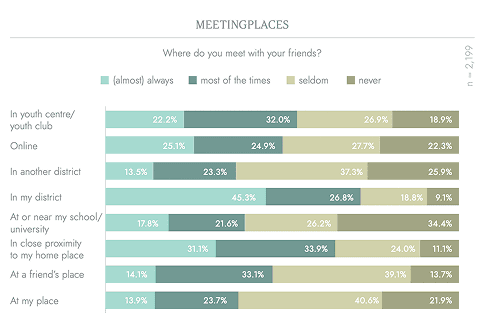
Verified a quantifiable demand among youth.
Youths need to express their personal views and emotional experiences.
Youths need to find an outlet for creativity.
Youths need to learn the basics of the language of film, spark an interest.
Youths need to be seen and respected, and to have an equal voice.


Policy


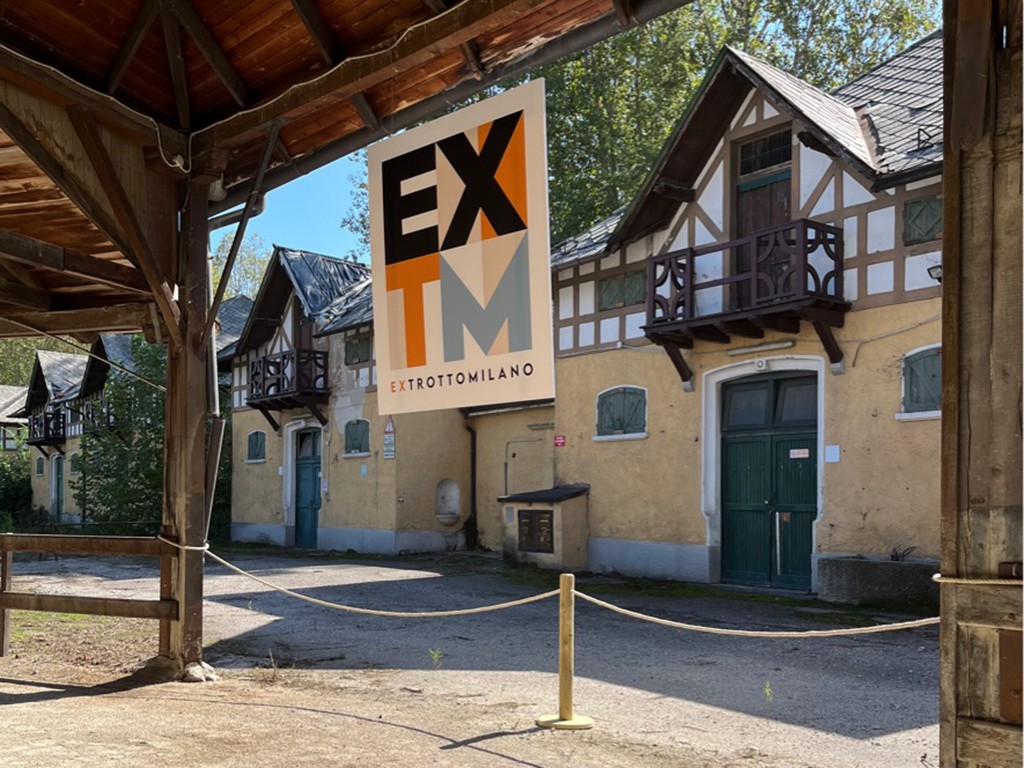
Identified alignment with Milan’s policies prioritizing the regeneration of spaces and providing support for youth projects.
Urban policies
Milan prioritizes the regeneration of abandoned spaces and seeks to integrate them with youth initiatives.
Milan prioritizes the promotion of healthy recreation to foster a safe urban environment.
Youth policies
Milan is providing structured support to help youths implement real projects.
Milan is targeting specific community providing tailored youth programs.
Milan aims to support youths through entrepreneurship support.
Public Spaces in Milan
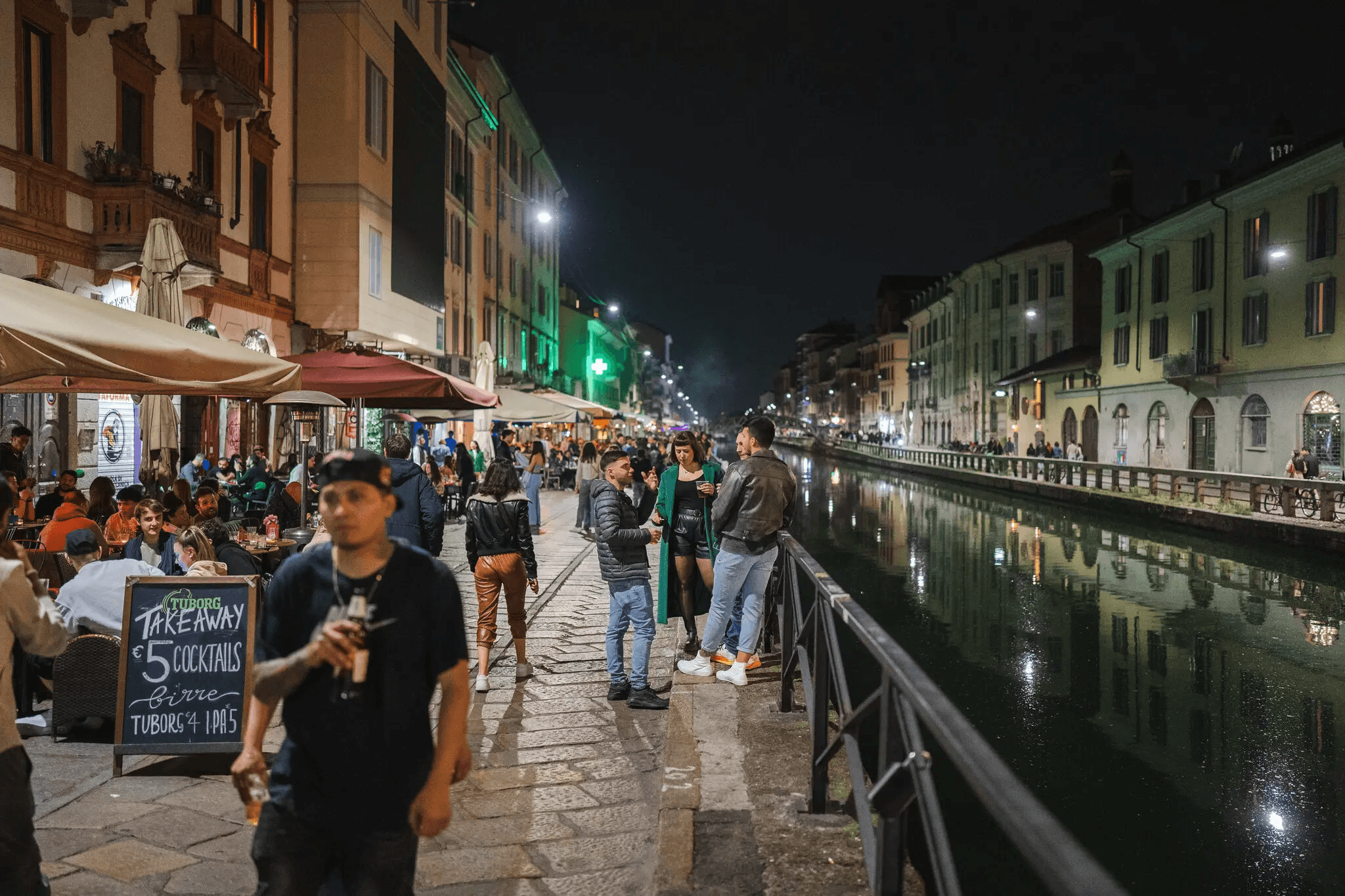
Highlighted the potential for activating overlooked neighborhoods in Milan.
Milan prioritises regeneration of streets for recreational use .
Milan's public spaces are dominated by large green areas (70% Large Parks).
Milan's youth-oriented spaces are varied and widely distributed.
Youth perceive certain areas as undesirable due to crime and urban decay.


System
Offering Map
Visualized the core interconnected activities, showing how they amplify neighborhood voices and create shared urban narratives.

Stakeholder Map
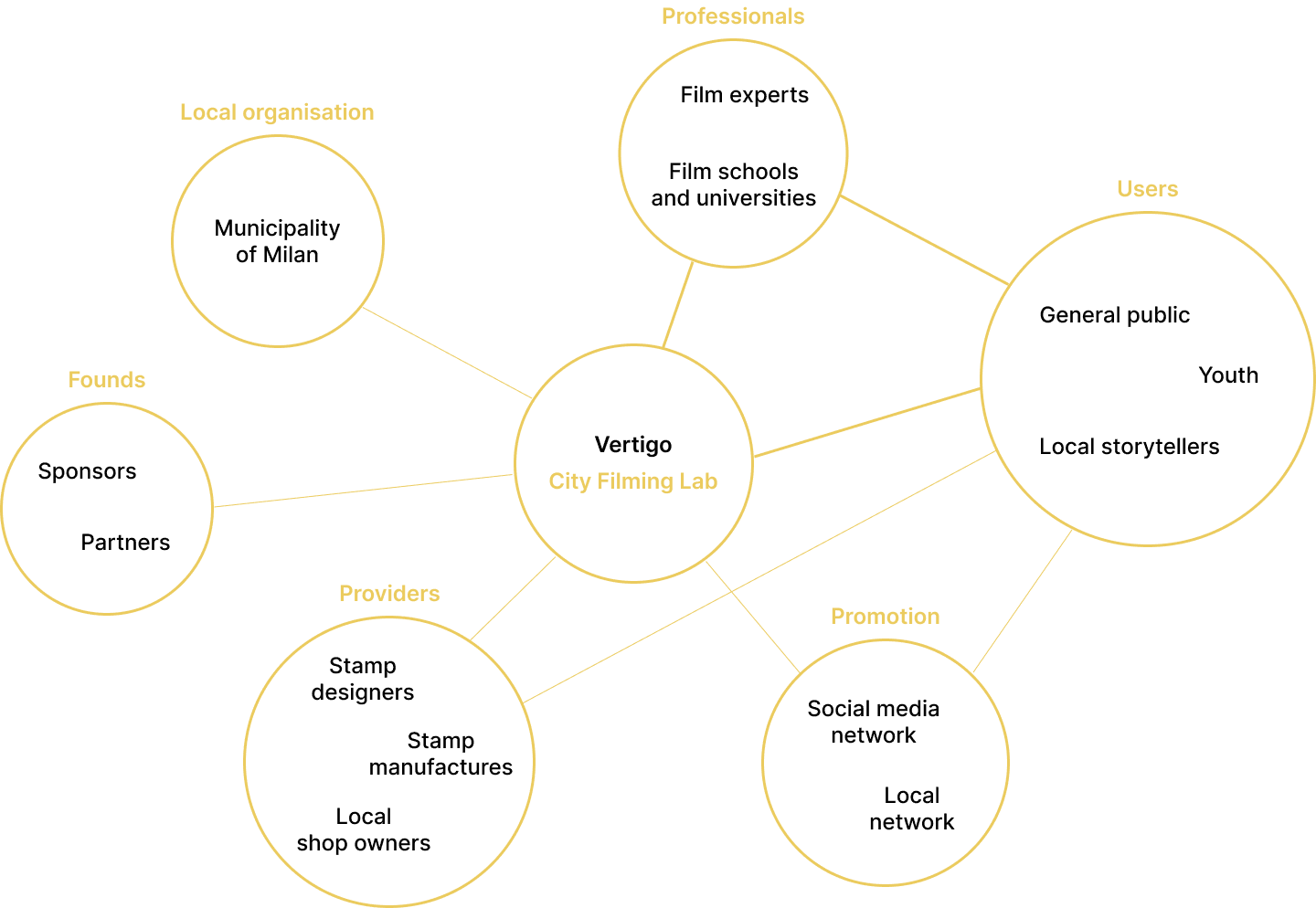
Clearly defined the central roles of Youth, Local Storytellers, and Citizens, supported by key partners (Municipality, Sponsors, Schools, Film Experts).
System Map
Detailed the complexity of resource, engagement, and information flows between primary and secondary stakeholders, ensuring the model's operational feasibility.

Experience
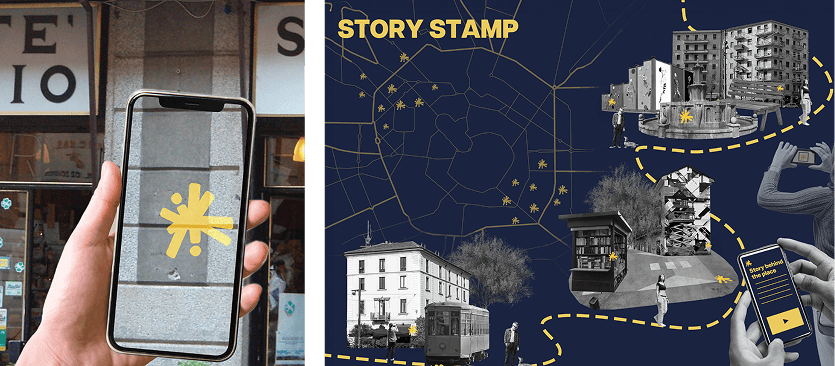
Story Stamps
QR-coded stickers placed at filming locations, creating a living, geo-located map of meaningful spots and reinforcing the physical-digital connection to urban space.
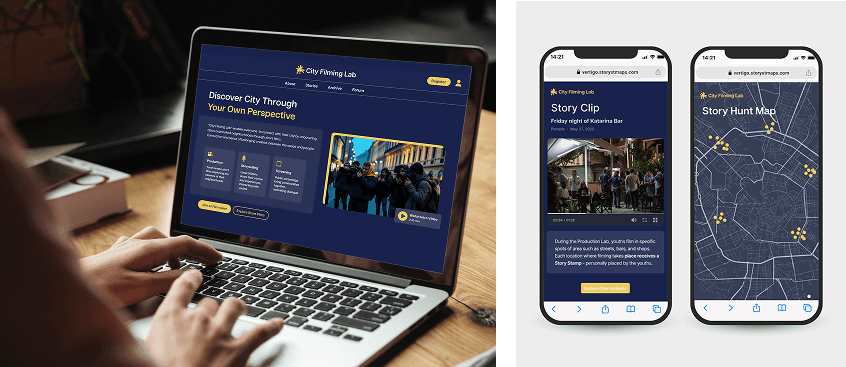
City Filming Lab Platform
An online repository hosting the films, the Story Map, and a community forum, ensuring continuous access, knowledge management, and ongoing community engagement.
Impact
Informed internal roadmap decisions through a strategic planning deck
Cited in 3 cross-functional leadership reviews as a reference for future directions
Shifted perspective: FaceSign seen as a service opportunity
Reflection
This project taught me how to connect business strategy, system design, UX, and service in a real enterprise context. I learned to turn technology outputs into user-centric experiences while aligning with infrastructure constraints like FIDO2 and Naver Cloud, and to bridge silos between AI, hardware, and platform teams.
Next time, I would further develop Admin Tool wireframes with prototyping and usability testing to better validate internal workflows.
More Projects

